
Emergency Plan and Drills

Fire, earthquake and evacuation plans

Emergency Plan and Drills

Emergency action plan, team formation, drills and fire extinguisher checks.

From 5,900 TRY

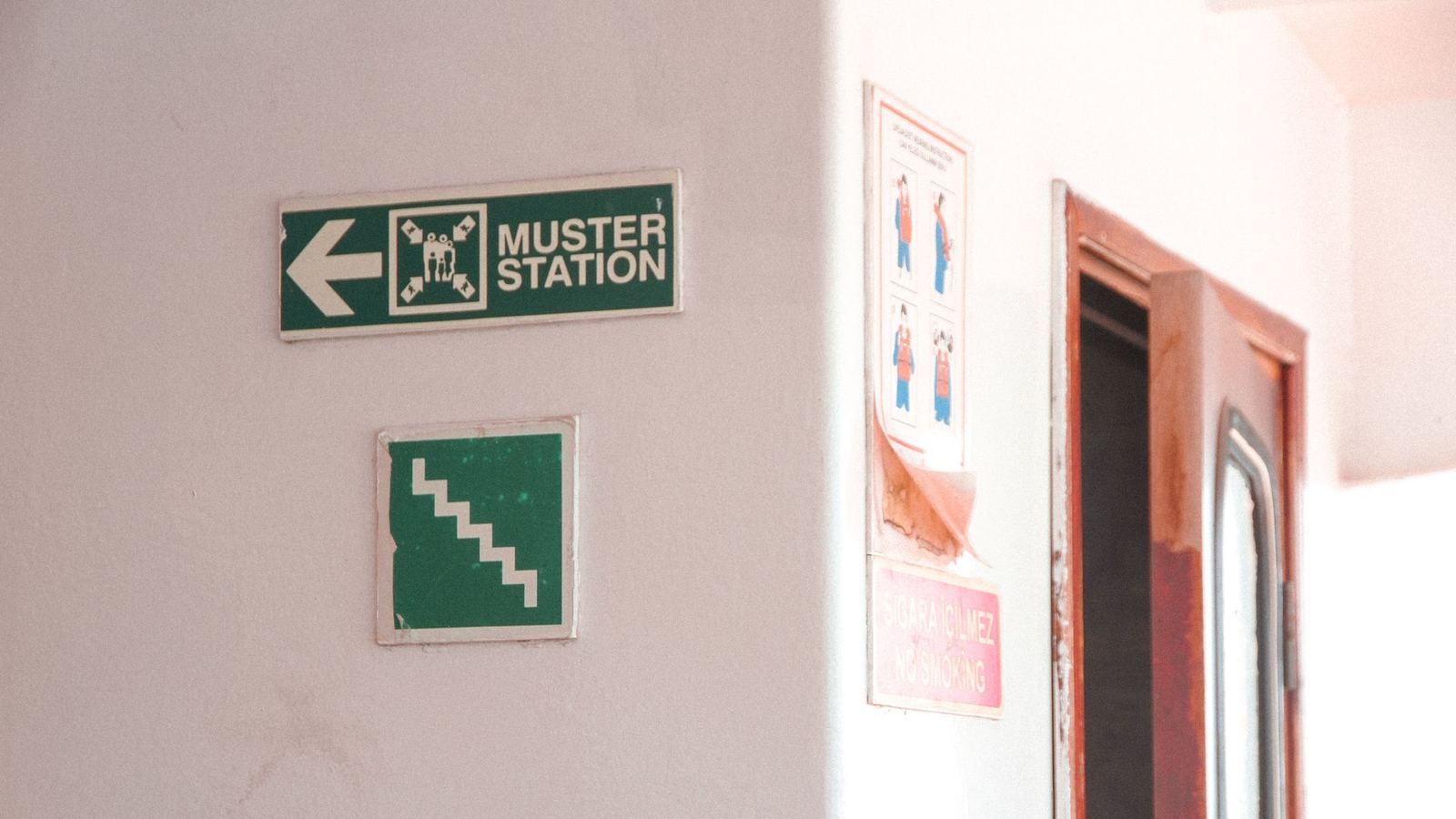
An emergency plan puts into writing who does what, where people assemble and who is called in events such as fire, earthquake, chemical spill, explosion and flood. Preparing the plan is not enough; the teams must be formed and trained and a drill held at least once a year.

What do we prepare?

  • Emergency action plan and floor plan (evacuation routes, assembly area, fire cabinets)
  • Assignment of fire-fighting, rescue, protection and first-aid teams
  • Checklists for fire extinguishers and detection systems
  • Annual drill (fire and earthquake) scenario, execution and evaluation report

Duration and validity

The plan is renewed every two to six years depending on hazard class. It is also updated when the building layout or the teams change. After a drill a short report and improvement suggestions are published in the portal; indicators such as assembly time are compared across years.

Details that make a difference in practice

Signs at the assembly point, vests for floor wardens, timing the evacuation with a stopwatch and visitor and contractor checklists are the details that turn a drill into real preparedness.

Scope of service

  • Floor plan and evacuation plan
  • Training of the teams
  • Annual drill report
  • Fire extinguisher checks

Emergency Plan and Drills — get a quote

Fill in the form and we will get back to you as soon as possible.

Frequently asked questions

Is it mandatory to get service from an OSGB?
Every employer must appoint a safety specialist and a workplace physician. You can do this by employing them in-house or by taking service from an authorised OSGB. Depending on headcount and hazard class, in some small workplaces the employer may take on the specialist role under certain conditions; talk to us about your own case.
What determines the service durations?
They depend on headcount and hazard class: 10/20/40 minutes per employee per month for the specialist and 5/6/8 minutes for the physician (low hazard / hazardous / very hazardous). You can see your workplace's duration with the calculator on our site.
How often is the risk assessment renewed?
It is renewed every 6 years in low-hazard, 4 years in hazardous and 2 years in very hazardous workplaces. It is also updated without waiting for that period after new machinery, a process or building change, or a work accident.
How many hours is basic OHS training and how often is it given?
It is 8 hours in low-hazard, 12 in hazardous and 16 in very hazardous workplaces. Training is repeated every 3, 2 and 1 years respectively; new starters are trained before they begin work.
Is it possible to change provider?
Yes. The contract with the current provider is ended with written notice and the assignment is transferred in ISG-KATİP. We carry out the documentation and ISG-KATİP steps of this transition on your behalf; there is no legal service gap.
WhatsApp +90 216 555 38 00 info@esenlikosgb.com.tr